HEAR FROM YOUR PEER
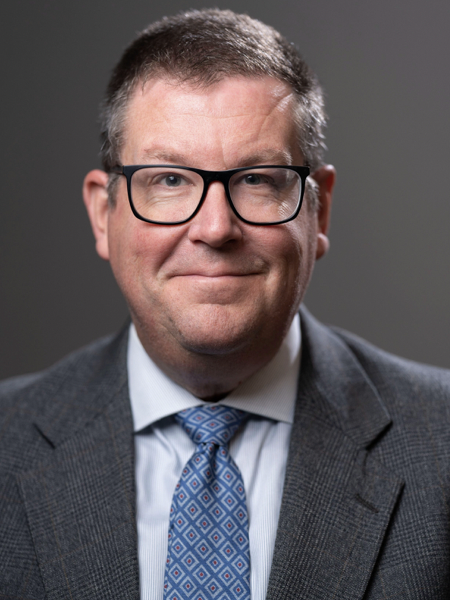
With Jeremy Hatch
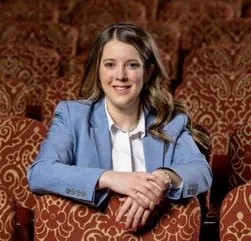
Featuring Special Guest — Brittany A. Hall
President and CEO, Fort Wayne Philharmonic

What happens when an arts organization designs programming around the question of service to its community?
In this podcast episode, Jeremy Hatch talks with Brittany A. Hall, President and CEO of the Fort Wayne Philharmonic, about how that mindset shapes audience experience, builds stronger engagement, and supports the path from attendance to philanthropy.
It’s a thoughtful conversation for arts leaders and fundraisers thinking about programming, access, and donor development.
Read more below or click the button to listen.
HOW THOUGHTFUL INVITATIONS GROW AUDIENCES, AND FUTURE DONORS
RSC has worked with the Fort Wayne Philharmonic to realize many years of progressive and sustainable fundraising growth. Our partnership began in 2018 with a Campaign focused on endowment growth and special projects, which greatly surpassed its initial goal. Emerging from the original Campaign, RSC supported the Philharmonic’s operational sustainability by growing the annual donor base. The strong results have positioned the Philharmonic for another transformative effort, and together, we launched an ambitious Campaign in the spring of 2024. RSC Principal Consultant Jeremy Hatch recently sat down with Fort Wayne Philharmonic President and CEO, Brittany A. Hall to discuss audience growth and the pipeline to philanthropy.
“How can the orchestra serve you?”
That question stayed with me after my conversation with Brittany A. Hall, President and CEO of the Fort Wayne Philharmonic. It is a simple question that gets to the heart of something many arts organizations are working on right now. Audience growth depends on whether people can see a clear path into the experience, and whether that experience feels shaped with them and their community in mind.
What I heard in Brittany’s story was an organization activating that question. In practice, that means the Philharmonic is paying close attention to where performances are held, how long they last, the atmosphere that surrounds them, any barriers audiences may feel, and how different entry points can help more people attend.
That matters for programming, of course. It also matters for fundraising. When people experience an organization as attentive, welcoming, and worth returning to, they are more likely to build the kind of lasting connection that leads to giving. Thoughtful invitation does more than grow attendance. It helps create future donors.
A Strong Program Still Needs a Clear Path In
When it comes to organizations like the Fort Wayne Philharmonic, potential audience members usually aren't questioning quality. Generally the artistic reputation precedes them. But new-comers may be asking themselves: what will this feel like, and is it for me?
That is where thoughtful invitation comes in.
To that end, the Philharmonic created smaller-format experiences in familiar, more intimate venues. One example was a daytime coffeehouse performance by a string quartet—short, informal, and easy to envision. People knew where they were going, what kind of experience to expect, and how it fit into their day.
Brittany also shared that some attendees value these events because of the opportunity to connect with other people and break through isolation. That's an observation that matters, indicating that attendance decisions are shaped by more than artistic interest. People respond to setting, comfort, clarity, and access to experiences that meet their deeper needs.
A thoughtful invitation takes all of those realities seriously, providing an appealing way in that feels accessible.
Specific Invitations Help People Say Yes
What impressed me most in this conversation was the specificity.
Brittany described programs in a host of unique venues, including a more intimate theater-based series, and another series in a barn with its own atmosphere and sense of occasion. Those choices do more than add variety. They help people understand the experience before they arrive.
That is where some organizations can get stuck. They describe the mission, the season, even the excellence of the work, but leave the actual experience too vague. A broad message can build awareness, but a specific invitation helps someone make a decision.
A daytime concert in a coffeehouse. A shorter performance. Food and wine. A host who gives context from the stage. These are practical design choices, and they reduce uncertainty. They help first-time or returning attendees picture themselves in the room. And in some instances, like the coffeeshop perhaps, they physically meet people where they are. These curated moments do more than attract an audience, but they are appealing to donors and sponsors as well, helping to ensure these types of events continue.
That kind of clarity grows an audience by inviting people into a two-way relationship.
What This Means for Fundraising Professionals
For fundraisers, this is where the conversation gets especially important.
If you're a regular listener of our podcast, you've heard us say that donors are developed from the audience. People give more deeply when they are engaged with the work, when they trust the organization, and when they feel that what happens on stage and around it has a place in their own lives. That is why thoughtful programming and invitations matter so much to Development strategy.
In the interview, Brittany was candid that ticket sales remain hard and recovery has been gradual since the pandemic. She also spoke about price sensitivity and the organization’s effort to respond with a more flexible pricing structure. Surely familiar challenges for many arts organizations.
In that environment, fundraising professionals need more than attendance totals, they need repeat engagement. That comes from settings where people feel comfortable returning, bringing others, asking questions, and growing their sense of connection. That is what turns an audience member into a loyal attendee, and over time, into a donor.
This has certainly been true for the Fort Wayne Philharmonic, as Brittany noted: the people in the hall are the ones who become donors. This is critical to the overall health of the organization. Programming choices, venue choices, and audience experience all influence the strength of the donor pipeline.
Thoughtful Invitation is a Leadership Choice
For the sake of transparency, I'll share Brittany's full quote: "How can the orchestra serve you? Not just tell you to eat your vegetables?" The implication being that well-meaning arts organizations often come across as "telling" the community what's "good for them," rather than asking the audience what they want or need. One reason Brittany’s framing stayed with me is that it starts with service. “How can the orchestra serve you?” is a question of fundamental design, not just messaging.
It asks whether we are building experiences around real patterns of community life, or mostly around institutional habit. It asks whether we understand the barriers a first-time attendee feels. It asks whether we are creating enough range in format, atmosphere, and price for more people to find their way in.
The same discipline showed up when Brittany discussed the Philharmonic’s building project. What struck me was her clarity that a new facility or revenue stream has to serve the mission, strengthen culture, and deepen community relationships. That is the same pattern again: shape the experience around real uses, real people, and real connections.
Over the course of the conversation, it became clear this way of thinking influences every area of the Philharmonic, from massive capital campaigns and building projects, to programming, hiring, and leadership decisions.
Questions for Arts Leaders
As I reflect on this conversation, these are the questions I would put in front of any arts organization trying to answer the big question, "How can the orchestra serve you?":
What, exactly, are we inviting people into?
How clearly can a first-time attendee imagine the experience before they arrive?
Where does our audience still have to guess, about price, tone, venue, timing, or whether they will feel comfortable there?
Which parts of our audience experience make it easier for someone to come back, bring someone else, or deepen their support?
Are we treating attendance as a transaction, or as the beginning of a longer relationship with the organization?
Those are practical questions. They can shape program design, audience development, fundraising, and how a Board understands growth.
Final Thoughts
Audience growth often starts with thoughtful invitation, and donor growth often starts there too.
Brittany A. Hall has shared the story of an organization building a durable audience by paying attention to what people experience before the performance begins. The path in is demystified, and the settings and formats reflect how their communities gather. They provide enough clarity and comfort for new audience members to attend, and enough value to come back.
That is strategic work. It is practical work. And it affects far more than ticket sales.
If your organization is thinking through audience growth, donor cultivation, community connection, or the relationship between attendance and contributed revenue, reach out to RSC CEO Catherine Heitz New to discuss your unique situation.
Jeremy Hatch
Principal Consultant, RSC AssociatesJeremy Hatch brings 25 years of successful experience in goal-oriented fundraising and arts management to the RSC team. He has provided ongoing strategic counsel to more than 50 RSC clients, including leading RSC engagements with the Detroit, Cincinnati, Minnesota, and St. Louis orchestras, as well as Opera Omaha, The Cleveland Pops, Breckenridge Create and the New Harmony Project.
Brittany A. Hall
President and CEO, Fort Wayne PhilharmonicAs President and CEO of the Fort Wayne Philharmonic, Brittany Hall is committed to honoring both tradition and innovation as she connects community through the power of live music. Throughout her career, Hall has advanced the role of symphony orchestras in their communities, building new audiences, deepening engagement, and championing innovation to ensure the continued relevance of classical music.
Since her appointment in 2022, Hall has led initiatives that expand community impact, cultivate diverse audiences, and position the Philharmonic as a vital cultural anchor in Northeast Indiana. Her leadership reflects a forward-thinking vision for the orchestral field; one that embraces innovation while upholding the highest standards of artistic excellence.
Prior to her current role, she served as Assistant Managing Director of the Fort Wayne Philharmonic. She previously spent five years as Executive Director of the Binghamton Philharmonic, where she strengthened organizational sustainability and broadened community impact, and held roles with the Erie Philharmonic.
A committed civic leader, Hall actively contributes to her community and region. She currently serves as Board Chair of ACRES Land Trust and has held board positions with the Greater Binghamton Chamber of Commerce and the Clyde-Savannah Public Library. In 2017, she was selected for the League of American Orchestras Emerging Leaders Program, recognizing her as one of the field’s promising voices.
Hall holds a Master of Science in Arts Administration from Drexel University and a Bachelor of Arts in Music Industry from the State University of New York.