

FUNDRAISING AFTER THE RESET
What the Last Six Years Taught Us—and Why Contributed Revenue Matters More Than Ever
With Catherine Heitz New & Bob Swaney
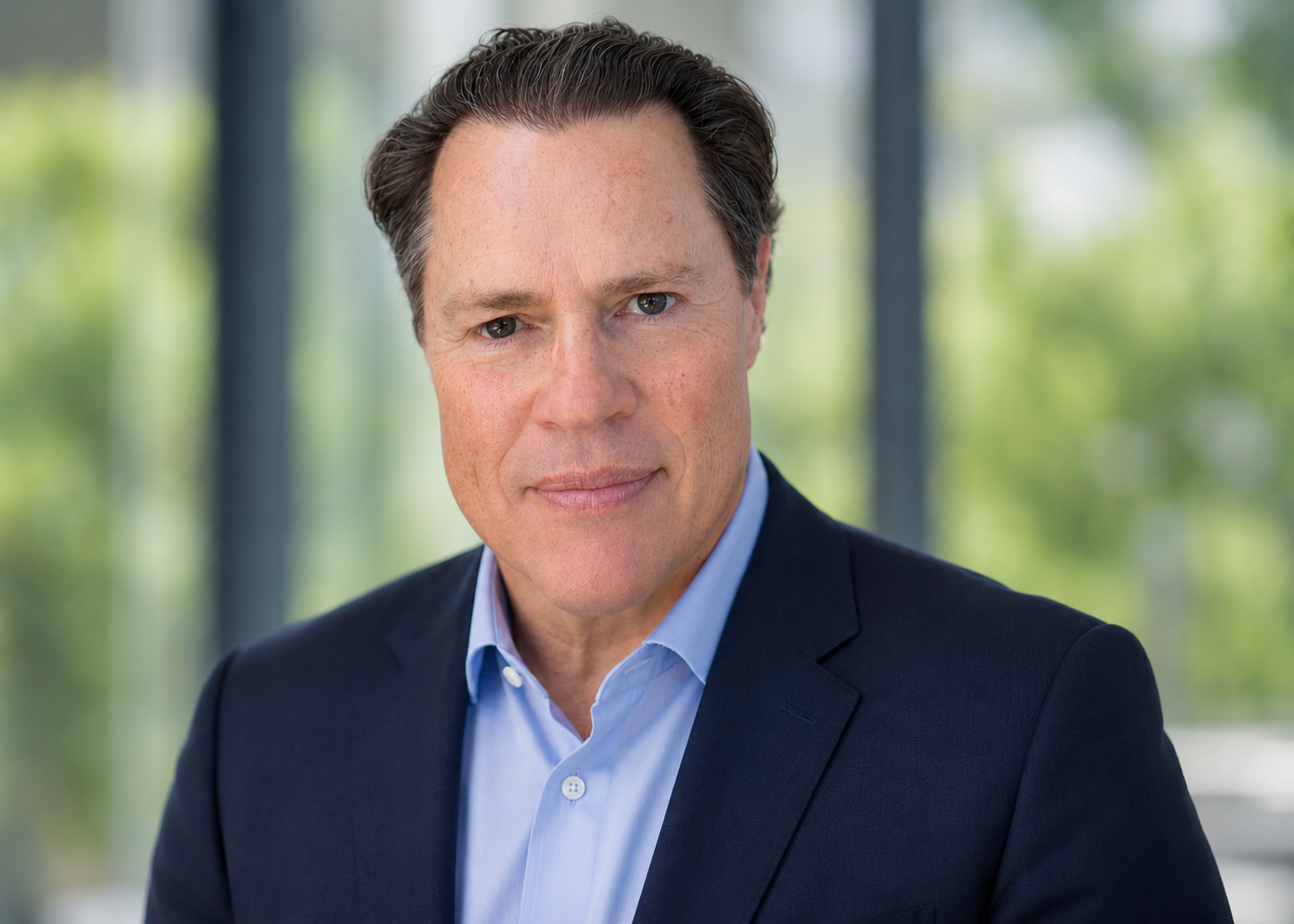


What happens when an emergency revenue strategy becomes part of the long-term business model?
In this episode of Fundraising Growth Now!, Cat sits down with RSC Founder Bob Swaney to revisit a fundraising environment that shifted almost overnight—and the lessons that remain relevant six years later.
The circumstances have changed. Many fundamentals remain the same: lead with value, build relationships intentionally, ask with confidence, and act with positive urgency on what you can control.
Read the full transcript below or click the button to listen.
FUNDRAISING AFTER THE RESET
What the Last Six Years Taught Us—and Why Contributed Revenue Matters More Than Ever
By Catherine Heitz New, with Bob Swaney
Six years ago, the pandemic forced arts organizations into a revenue crisis unlike anything most of us had experienced. Performances and visits stopped, admissions disappeared, and earned revenue fell away almost overnight. For most arts organizations, fundraising became the single most dependable source of revenue.
Thankfully, the emergency passed, but the broader lessons did not. Contributed revenue now plays a larger role in the operating models of many arts and cultural organizations. That shift affects far more than the Development department: it changes how organizations communicate, build relationships, plan, staff, and think about the people who sustain the arts.
Now, six years later, which lessons from the reset did we keep, which did we discard, and which are we still learning?
What Lessons We Learned—and Kept
The pandemic forced arts organizations to become more intentional. Communication grew more frequent and transparent. Organizations stayed closer to patrons and donors, spoke more clearly about institutional value, and learned that confidence was more productive than fear. Donors responded. Many converted tickets, memberships, and canceled-event purchases into contributions because they cared about the institution and wanted it to endure.
As Bob put it, “People were willing to do what we asked them to do to benefit an organization that they love.”
The larger lesson was not about any single communication channel or fundraising tactic. It was about discipline: stay close to people, lead with value, focus on what you can control and influence, and act with positive urgency. Those practices worked in a crisis because they are sound fundraising principles in any environment.
Keep What Works—and Keep Adapting
Some practices that emerged or accelerated during that period have become part of normal operations. Digital engagement is more focused and less transactional. Virtual cultivation remains useful when it serves the patron rather than staff convenience. At RSC, virtual coaching moved from an experiment to a permanent part of our work because we discovered that greater frequency and reinforcement strengthened the coaching.
Across the industry, we kept what worked—and have been adapting it since.
The same principle applies to staffing. Today, more arts organizations are considering fractional or shared expertise to meet specialized needs without automatically adding a full-time position. The lesson is not that every pandemic-era practice should survive. It is that organizations should keep evaluating what produces value now—and stop doing what no longer does.
Fundraising Is a Rapidly Growing Part of the Business Model
Patron behavior continues to evolve, and the path from consumer to donor is less predictable than it once was. That makes every entry point more important. A visitor, member, ticket buyer, participant, or first-time donor is an opportunity to begin a relationship, and organizations need systems that make those relationships personal, responsive, and worth sustaining.
While contributed revenue represents a larger share of operations for many arts organizations than it did a generation ago, earned revenue remains essential. Attendance, visitation, memberships, and participation matter enormously—not only for the revenue they generate, but also for the potential future donor pipeline they represent. Yet, organizations also need more sophisticated ways to identify and cultivate prospects beyond the traditional ticket-buyer-to-donor pathway.
Bob describes the opportunity this way: “Fundraising never runs out of inventory.” If an organization can continue identifying people who know it, value it, and trust it, philanthropy has substantial room to grow.
That opportunity carries responsibility. If contributed revenue is becoming a primary revenue engine, fundraising cannot remain solely the Development staff's responsibility while everyone else watches. Philanthropy must inform organizational planning, staffing, Board engagement, and major decisions from the beginning—not be asked to fund those decisions after they have already been made.
Preparing for What Comes Next
The next reset may already be underway. A significant transfer of wealth is creating philanthropic opportunities, while technology, staffing models, patron expectations, and donor behavior continue to evolve. Arts organizations do not need to predict every change, but, as before, they do need the capacity to recognize change quickly and respond intelligently.
That means clarifying roles, eliminating low-value work, strengthening donor pipelines, using fractional expertise to add capacity, and helping Boards understand their irreplaceable role in fundraising. It also means paying closer attention to patrons and donors. People enter relationships with arts organizations in different ways, and increasingly, they will expect communication and cultivation that reflect those differences.
The circumstances have changed dramatically since 2020, but the fundamentals have not. Lead with value. Stay close to donors. Build relationships intentionally. Focus resources where they can have the greatest impact. Ask with confidence. Act with positive urgency on what you can control.
What has changed is the importance of doing those things consistently. Fundraising is no longer simply a revenue stream that helps many arts organizations balance their operating budgets. Increasingly, it is a primary driver propelling them toward what comes next.
Continue the Conversation
If your arts organization is reevaluating the role of contributed revenue, strengthening its donor pipeline, or rethinking fundraising capacity, schedule a complimentary 30-minute Zoom conversation with Catherine Heitz New, CEO of RSC Associates.