HEAR FROM YOUR PEER
With Jeremy Hatch
Featuring Special Guest — Jonathan Martin
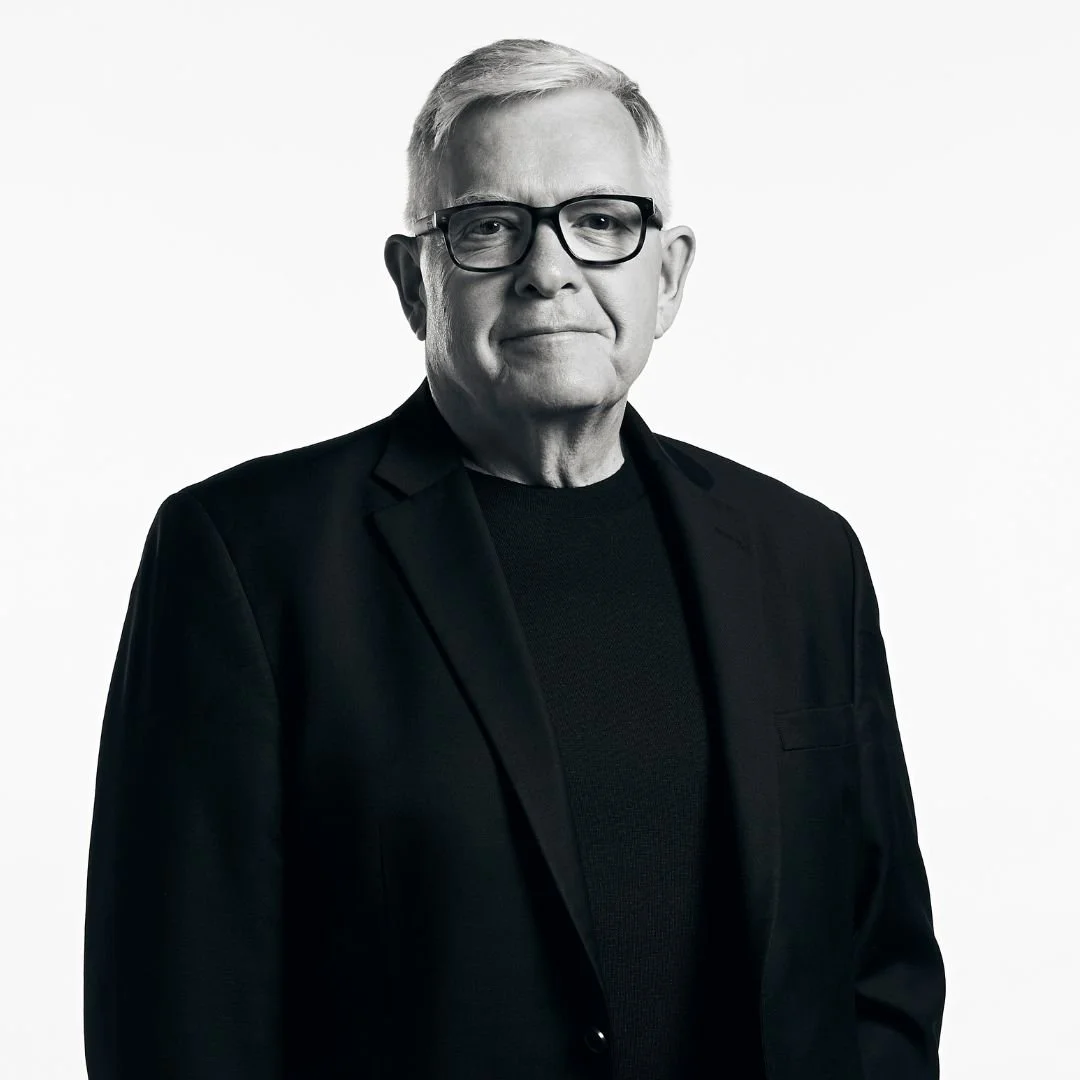

We recently spoke with Jonathan Martin, who guided several of the industry’s leading orchestras to sustained success, and the conversation was filled with gems. The kind that aren't just flashy, but truly practical.
Jonathan has led through growth, financial pressure, Board dynamics, audience change, and long-range planning. What came through most clearly were a few steady lessons that apply to Development staff, Executives, and Board members alike.
If your organization is juggling fundraising pressure, Board dynamics, and long-range planning, this conversation is for you.
Read more below or click the button to listen.
LESSONS LEARNED FROM A FIELD-TESTED ARTS LEADER
The Cincinnati Symphony Orchestra is one of America’s great Orchestras, broadly supported by its community. RSC partnered with the CSO to rebrand, rename, and revamp the Annual Fund program early in the tenure of CEO Jonathan Martin, who we recently had the pleasure of featuring on our podcast. During our conversation, Jonathan talked about orchestra fundraising, leadership, and the state of the arts sector. He is an inspired leader, and the breadth of the conversation revealed many practical lessons for anyone involved in or leading an organization of any size.
When I sat down with Jonathan Martin, I expected a thoughtful conversation about fundraising, leadership, and the state of the arts sector. I certainly got that and more! What stayed with me was the breadth of the conversation, and how many practical lessons it offered for anyone trying to lead an arts organization well.
Jonathan has led arts organizations through growth, financial pressure, Board dynamics, audience change, and long-range planning. As the conversation moved from one chapter to the next, the lessons embedded in the stories were the kind of hard-won observations that surface when you're in the presence of a real pro.
What follows are five lessons for Development professionals, Executives, and Board members from one of the great leaders in our industry.
1) Fundraising success is a team sport
One of the clearest points Jonathan made was that major fundraising success does not happen because one Executive or one fundraiser says the right thing in the room.
It happens because people around the organization help create belief in the vision. Volunteer leaders, Board members, peers, and staff all help build the confidence that makes serious investment possible. Reflecting on major gifts in Cincinnati, Jonathan said plainly that those gifts did not happen in a vacuum, and that “it takes an army.”
While that might seem apparent, many arts organizations still put too much fundraising pressure on one or two people.
Yes, strong fundraising leadership matters. But if development depends too heavily on individual effort, the problem may not be talent. It may be the absence of a real fundraising culture around that person.
The takeaway is simple (though maybe not easy): strong fundraising is social. It depends on relationships, trust, shared ownership, and peer leadership.
2) Strong Boards do more than govern
Jonathan also offered a useful test for Boards.
In his experience, the strongest Boards do both governance and philanthropy well. But he went further than that. In his view, a Board should reflect the best of what a community has to offer, not only in resources, but in passion, engagement, judgment, and leadership. It should also reflect the community the organization serves.
That is a more demanding standard than simply having committed people in seats.
For Board members, this is a reminder that the role requires more than oversight. It is advocacy, credibility, and helping carry the institution outward.
For Executives and fundraisers, it raises the question of how you work with your Board: does the Board function as an active leadership body, or mainly as a formal requirement? That difference shows up in fundraising, strategy, and momentum.
3) New staff leaders need a support structure, not just a job description
One of the sharpest insights in the conversation was Jonathan’s emphasis on what new leaders need early in their tenure.
He spoke about the importance of building a guiding coalition, a group of people who understand the vision, support the work, and provide stability as a new Executive steps in. Without that, leaders can quickly inherit old problems, face unrealistic expectations, and struggle to gain traction.
That's something to keep in mind whenever an organization is filling a leadership role. If you're hoping that person will steady the institution, improve fundraising, manage the Board, and move strategy forward all at once, providing the right support is essential. Hiring the right person matters, and so does the environment they walk into.
That's a great takeaway for Boards when it comes to the hiring process. A successful leadership transition requires more than a thoughtful search. It requires shared responsibility for what happens after the new hire comes on board.
4) Make the most of periods of stability
We all have a list of things we'd like to do when things settle down or feel more under control. And sometimes when that time comes, it's either hard to identify it or inertia sets in and everyone feels ready to slow down.
Not Jonathan Martin. He spoke about how valuable it was to harness stable periods to spend time thinking five or ten years ahead about leadership, venues, growth, and what the organization needed to become. He contrasted that with harder stretches, when the work narrowed to keeping the doors open and managing constant pressure.
What he described wasn't a roadmap to burnout. He advises that when an organization has some breathing room, leaders should use it intentionally.
A stable period can feel like a pause between problems. It is actually a chance to build momentum around the long-term vision, strengthen the organization underneath it, and make choices that will hold up later. The future often gets built in those moments, before the next hard stretch arrives.
5) Don’t believe your own PR
Near the end of our conversation, Jonathan offered a line that remains stuck in my head, and may stick in yours as well: don’t believe your own PR.
He was not dismissing the value of reputation or community goodwill. He was making a case for rigor. Leaders cannot afford to get too comfortable with a positive narrative. They have to keep testing it against the strength of the Board, the staff, the work itself, and the choices around what is being presented, where it is happening, and who it is for.
Keep on top of the “internal blocking and tackling.” Ticket sales and fundraising are easier when those fundamentals are strong. Strong leaders do not coast on loyal support. They keep pushing to make the organization as strong and relevant as possible.
What Arts Leaders Can Take from Jonathan Martin’s Perspective
What I appreciated most about this conversation was its steadiness.
Jonathan did not offer easy fixes. He offered something more helpful: a clearer sense of what tends to hold up over time in arts organizations.
For readers thinking about their own institutions, a few takeaways stand out:
Fundraising is strongest when it is shared. Major results usually reflect culture and coalition, not individual heroics.
Boards matter beyond governance. Their role includes belief-building, peer influence, and community credibility.
Leadership transitions need structure. New leaders need active support, not just high expectations.
Constant firefighting has a cost. It narrows strategy and weakens long-term capacity.
Fundamentals still win. Messaging matters, but it cannot replace strong internal discipline and high-quality work.
Those lessons offer function over flash.
They are also broadly applicable across arts organizations. Any nonprofit arts group addressing Board activities, fundraising pressure, leadership transition, or long-term planning can find something here.
A Few Questions Worth Asking in Your Own Organization
Here are some useful questions to consider if you want to bring Jonathan's approach to your work:
Are we relying too heavily on one person to drive fundraising success?
Is our Board helping build momentum and belief, or mostly providing oversight?
Are we giving leaders the support they need to succeed?
Have we created enough operational stability to think beyond the next problem?
Are we glossing over any challenges, or facing them realistically?
These are straightforward questions that will help leaders go beyond the surface of essential issues.
Final Thought
What Jonathan Martin offers in this conversation is not nostalgia or generalized advice. It is a field-tested perspective on how arts organizations actually work, and what they need if they want to stay strong.
For me, that is the value of hearing from leaders who have seen organizations in many different conditions. They develop an astute ability to distinguish the temporary from the structural, and what is merely keeping you busy from what truly matters.
If your organization is asking these kinds of questions about fundraising, Board leadership, or long-term strength, we work with arts and cultural organizations to help build the clarity, discipline, and momentum needed to move forward well. Reach out to RSC CEO Catherine Heitz New to discuss your goals.
And if you want to hear the full conversation with Jonathan Martin, including his reflections on earned revenue, risk, and leadership, we invite you to listen to the episode.
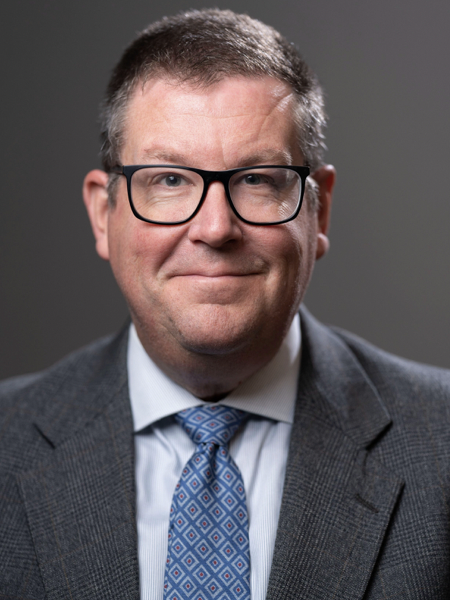
Jeremy Hatch
Principal Consultant, RSC AssociatesJeremy Hatch brings 25 years of successful experience in goal-oriented fundraising and arts management to the RSC team. He has provided ongoing strategic counsel to more than 50 RSC clients, including leading RSC engagements with the Detroit, Cincinnati, Minnesota, and St. Louis orchestras, as well as Opera Omaha, The Cleveland Pops, Breckenridge Create and the New Harmony Project.
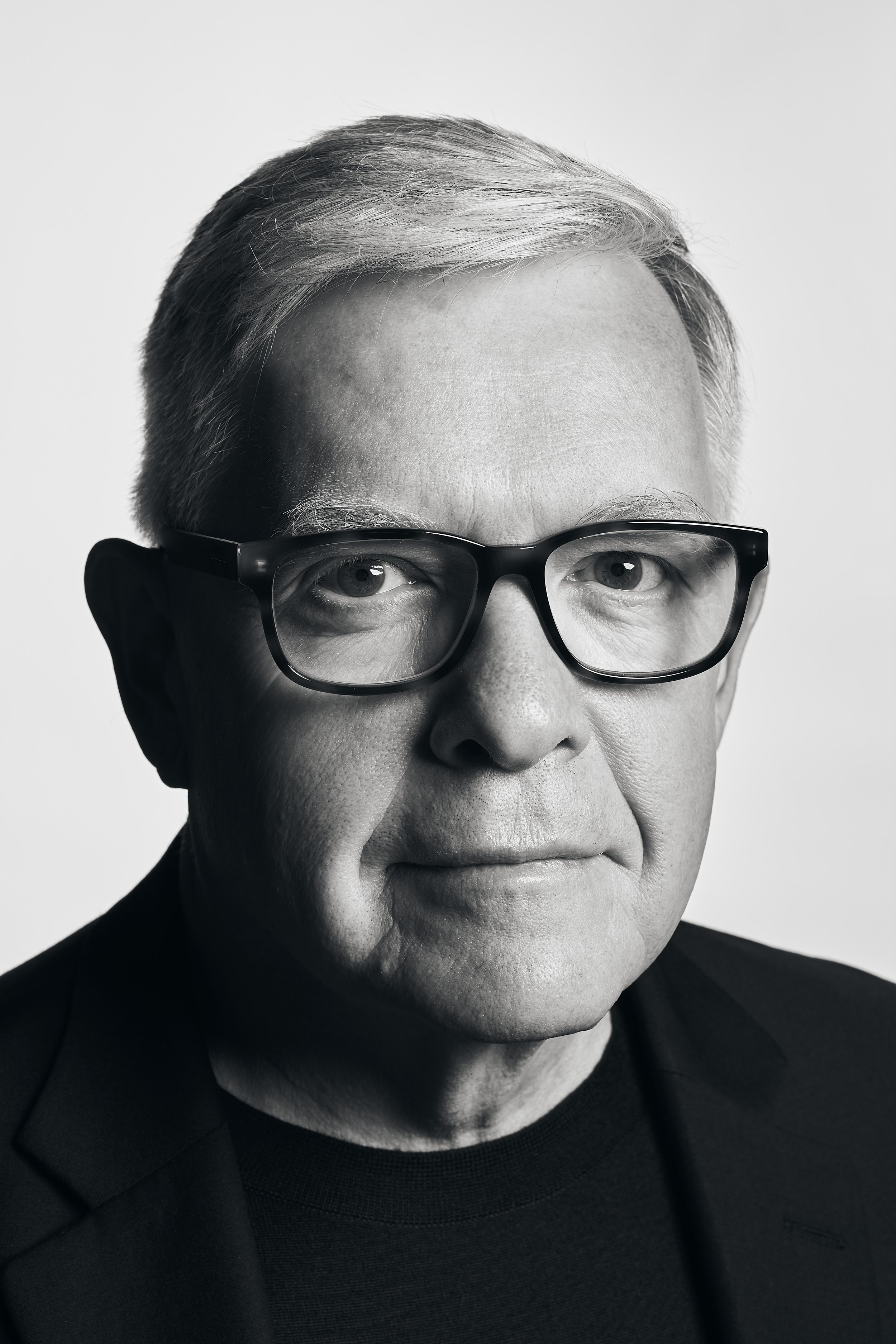
Jonathan Martin
Arts ExecutiveJonathan Martin is a nationally recognized arts executive with decades of experience leading some of the most prestigious performing arts organizations in the United States. Most recently, he served as President and CEO of the Cincinnati Symphony Orchestra (CSO), Cincinnati Pops, Cincinnati May Festival, and Music and Event Management (MEMI) from 2017 to 2025. Under his leadership, this $110M/year combined organization grew into one of the most respected and financially robust cultural institutions in the country.
During his tenure, Mr. Martin developed and led the implementation of a transformative long-term strategic plan, redefining how classical music is presented and experienced. His leadership was instrumental in launching innovative community-driven programming and broadening audience engagement. Mr. Martin spearheaded a $100M endowment campaign to fund strategic priorities and concurrently led a $160M capital campaign to replace the aging Riverbend Music Center with a state-of-the-art, 20,000-seat outdoor venue to open in 2027. During his tenure, he also oversaw the construction of a new, state-of-the-art $37M indoor venue. In 2023-24, he facilitated a comprehensive board and governance redesign, further aligning the organization for long-term sustainability and impact. Martin led a global music director search, culminating in the appointment of Cristian Mǎcelaru in the spring of 2024.
Prior to Cincinnati, Mr. Martin served as President & CEO of the Dallas Symphony Orchestra from 2012 to 2017, where he launched a $100M major gifts campaign and introduced a pioneering multidisciplinary, multi-genre arts festival featuring curatorial collaborations with two dozen cultural partners and artists like Pharrell Williams and St. Vincent, expanding the orchestra’s reach and cultural relevance.
Earlier, Mr. Martin spent nine years as General Manager of the Cleveland Orchestra, overseeing all orchestral operations including 22 national and international tours and residencies, the management of the renowned Severance Hall and Blossom Music Center, and launching the organization’s acclaimed comprehensive residency program in Miami, Florida.
His career began with the Atlanta Symphony Orchestra, where he held five roles over 14 years under the mentorship of legendary music director Robert Shaw. A native of Atlanta, Mr. Martin holds a Bachelor of Music degree with additional studies in business from Georgia State University.
Beyond his executive roles, Mr. Martin was a co-founder of Equity Arc, a national coalition advancing equity in classical music, and led the creation of OMLA, a national trade association addressing music licensing and royalty challenges for orchestras. He is a member of the Recording Academy (The Grammys), and the League of American Orchestras. In January 2025, Musical America named Mr. Martin one the 30 top professionals of 2024 in the American classical music field.
Now an international consultant, Mr. Martin brings 46 years of experience and deep expertise to bear in strategic planning, governance, operations, fundraising, capital project development, mentoring and executive coaching, and interim leadership for performing arts institutions and cultural organizations.