HEAR FROM YOUR PEER
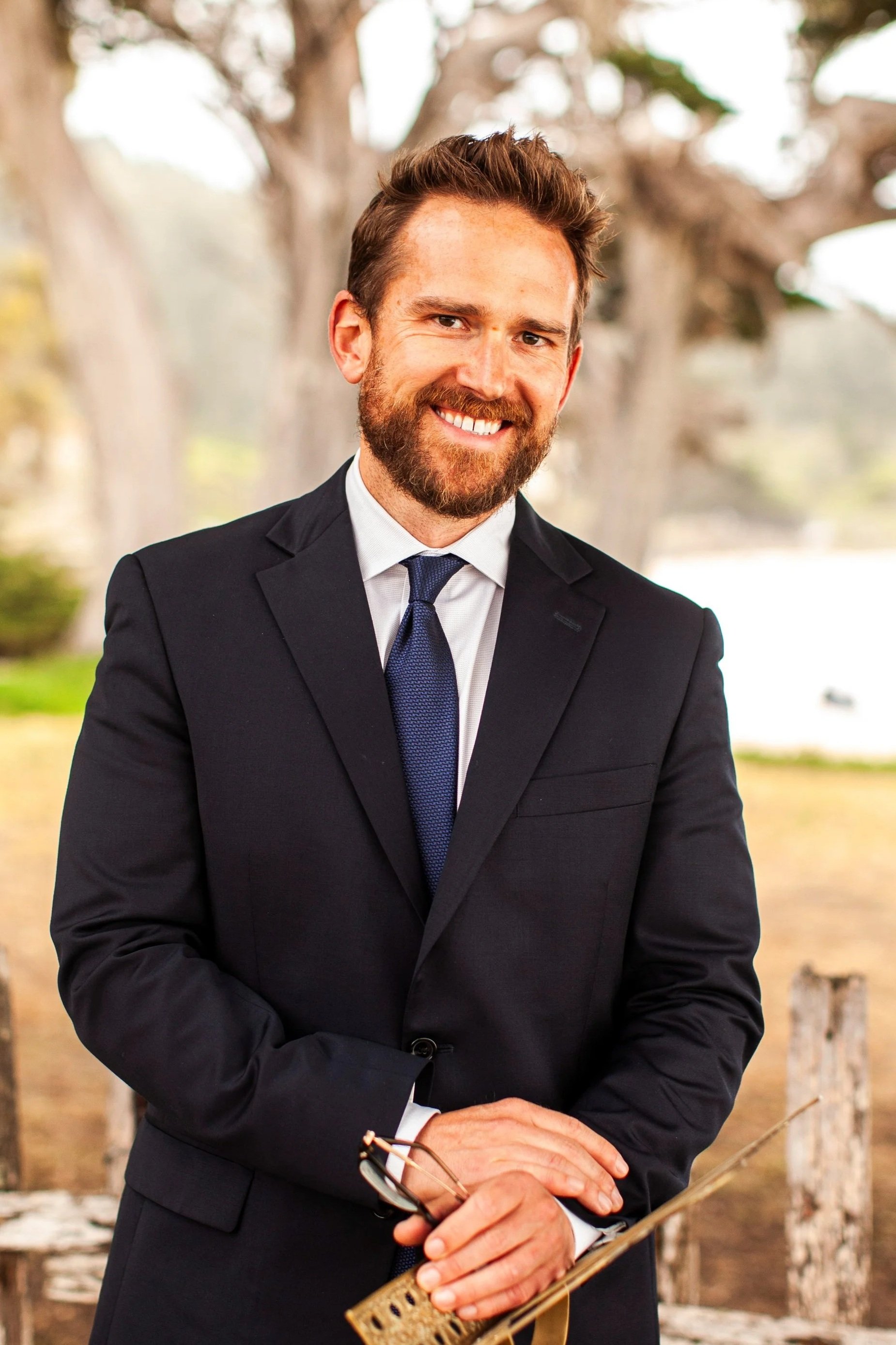
With Jeremy Hatch
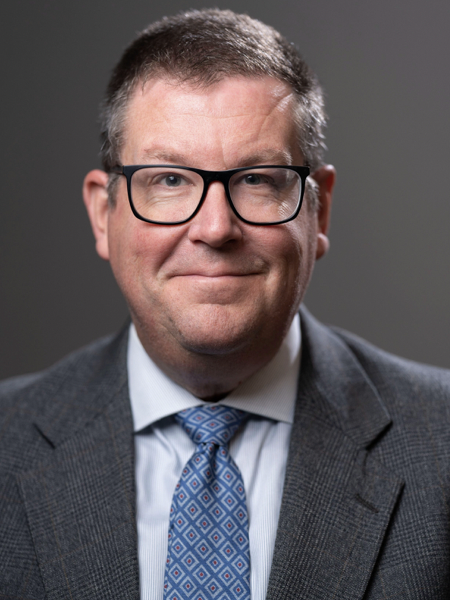
Featuring Special Guest — Nathan Lutz
Executive Director, Carmel Bach Festival

Leading meaningful change in an arts organization requires more than setting a new direction. It takes building the trust that helps people move forward together.
In our conversation with Nathan Lutz, he offered these practical reminders for arts leaders:
Change is easier to support when people can see how it connects to the organization’s purpose
Trust often grows through listening, clarity, and honest conversation about tradeoffs
Boards, staff, donors, and audiences are more likely to stay engaged when they feel included in where the organization is headed
For leaders navigating growth, change, or internal alignment, those ideas matter well beyond one organization or one moment.
Read more below or click the button to listen.
HOW ARTS LEADERS CAN BUILD TRUST WHILE LEADING CHANGE
RSC’s work includes supporting festivals of all shapes and sizes, including California’s renowned Carmel Bach Festival, where we have partnered to support a growing Annual Fund program and expanded scope and artistic ambitions. The Festival’s mission is to celebrate the works, inspiration, and ongoing influence of Johann Sebastian Bach worldwide by immersing audiences in a festival experience integrating music, education, and ideas. RSC Principal Consultant Jeremy Hatch recently interviewed longtime colleague and friend of the firm, Nathan Lutz, Executive Director of the Carmel Bach Festival.
Arts organizations sometimes face a similar crossroads and may feel they have a choice to make. Protect tradition, or embrace change. Keep loyal audiences comfortable, or build the next generation. Stay true to what people love, or update the model fast enough to stay relevant.
In my conversation with Nathan Lutz, Executive Director of the Carmel Bach Festival, he personified a different idea: the real leadership work is not choosing one side of that divide. It is helping people move forward together while maintaining sight of why the organization matters in the first place.
Easier said than done, to be sure!
Tradition Is Not the Enemy of Change
The Carmel Bach Festival is heading toward its 90th season. Institutions with that kind of history do not implement change in a vacuum. There is a loyal community, a strong artistic identity, and a name that carries real expectations. At the same time, the pressures facing the field are familiar. Organizations are still working to rebuild audiences, strengthen contributed revenue, and make a credible case for relevance in a crowded and distracted world.
What struck me about Nathan’s perspective is that he does not see this as a battle between old and new. He talks about innovation as something rooted in the organization’s past. The Festival’s founders were not grasping onto tradition. They were collaborating with living composers and presenting new work. Bach, as he pointed out, was an innovator in his own time, too. What we now call tradition once sounded new.
The Real Leadership Work Is Building Trust Around Change
When I asked Nathan how he builds consensus with Board, staff, and audience as the Festival evolves, his answer was simple: a lot of listening. In a small organization, he said, everyone has a seat at the table. That kind of openness might seem to lack structure, but there is a discipline that drives it.
He also said one of his guiding ideas is that there are no solutions, only tradeoffs. That is the part more leaders should say out loud.
Most decisions in nonprofit arts management are not about finding the perfect answer. They are about choosing what to prioritize with limited time, money, energy, and trust. A programming shift has audience implications. A growth plan has staffing implications. A new revenue idea has operational implications. Instead of pretending those tensions are avoidable, Nathan argues that you need to make them visible and weigh them honestly, as well as help people understand why a decision makes sense.
This is what makes consensus useful. Including more voices at the table ultimately helps leaders guide organizations with stakeholder buy-in and trust.
Initiating Growth With A Clear Patron Experience
You can see this way of thinking in the Festival’s audience development strategy. Nathan shared that the organization has posted positive ticket sales growth, set a revenue record in 2025, and moved past its pre-pandemic ticket numbers. One notable change was reintroducing passes and packages, which helped patrons engage with the full festival experience rather than a series of disconnected concert choices.
I like that example because it suggests that audience growth comes from more than programming. It can also be about how the experience is structured and presented. In this case, the ticketing options encourage patrons to experience the festival more holistically. Performance packages signal to the audience that while they could choose just one concert, they are warmly invited to enjoy the full festival experience.
Why This Matters Beyond One Festival
There are lessons to be gleaned from Carmel Bach's story.
Many arts leaders are trying to answer the same questions right now. Addressing relevance, audience development, programming and financial stability ultimately leads to questions around decision making. How much can we change without losing the people who got us here? How do we invite Boards, staff, and donors into difficult decisions without creating confusion or resistance? How do we grow while staying recognizable to the community that trusts us?
Nathan’s approach offers a grounded answer. Change lands better when people can see themselves in it. When they understand what is being protected, what is being adjusted, and why. When they are treated as participants in the future of the organization, not just as observers of it.
This may not be the quickest way forward. However, as the saying goes, "If you want to go fast, go alone. If you want to go far, go together."
Fundraising and Board Leadership Follow the Same Pattern
Nathan described himself as an introvert, which I suspect many arts leaders will recognize in themselves. His fundraising discipline is not built on charm. It is built on presence. Getting out from behind the desk. Being visible in the community. Going where donors and patrons already are. Supporting other arts events. Once those relationships are cultivated, Nathan has a go-to approach to deeper one-on-one conversations: Start with asking for advice before asking for money.
He shared a story about a donor relationship that began with a casual coffee and turned into a walk with the donor and his dogs. What made the exchange work was not a polished pitch. It was a natural conversation about the organization, its challenges, and the value of the donor’s perspective. The gift followed trust, not the other way around.
I heard the same pattern in his comments about Board leadership. His advice to newer managers was clear: ask the Board for help. Not just ceremonial support, real help. Bring them the obstacle. Bring them the hard question. Use the expertise sitting at the table. He said he has seen more enthusiasm from Board members when they are invited into real challenges than when they are simply handed good news.
At times, leaders think confidence means having the answer before anyone else is allowed into the room. When practicing consensus-building, credibility often looks more like this: here is the challenge, here is the tradeoff, here is what we are trying to protect, and here is where your judgment would help.
Framing Your Next Big Decision
If, like me, you're inspired by Nathan's successes and his leadership perspectives, you may be wondering how to bring some of that approach to your organization. Consider posing some of these questions when making your next big decision:
Are we protecting the mission, or just protecting our habits?
Where are we asking people to trust a change we have not helped them to understand?
Have we made the experience of engaging with our organization clear enough for people to choose to do so?
Are we using our Board’s expertise fully, or mostly asking for approval after the fact?
When we talk about innovation, are we chasing novelty, or building from who we really are?
Who else do we need to hear from while making this decision? Have the right voices been considered?
These are not abstract leadership questions. They show up in programming, fundraising, staffing, Board management, and audience experience choices every day.
Takeaways for Arts Leaders
A few ideas from this conversation feel especially useful:
Tradition and innovation do not have to be at odds.
Consensus-building is not weakness. It is often what makes change credible.
Audience growth can come from clearer experience design, not just better promotion.
Donors and Board members often respond well when they are invited into honest, substantive conversation.
Some leadership challenges do not disappear. The goal is not to solve them once and for all, but to build an organization that can respond to them well.
Late in the conversation, Nathan said something else I found clarifying. Some of the biggest challenges in this field do not disappear. We will keep trying to reach new audiences. We will keep trying to engage future donors. We will keep making the case for the value of the art form. That's the job.
That may sound obvious, but that mindset changes how you lead.
Instead of treating those realities as problems you should have solved by now, you can lead with more patience and less panic. You can spend less energy chasing permanent fixes and more energy building an organization that can respond well, over and over again.
The Work Is Helping People Move Together
For me, that was the strongest lesson in this conversation. Change works better when people can see themselves in it. When staff have a voice. When Boards are asked to contribute, not just approve. When donors are invited into honest conversation. When audiences can recognize both the continuity and the fresh thinking in what you are offering.
That does not make change easy. But it does make it more likely to last.
If your organization is trying to evolve while minimizing distrust or confusion, RSC Associates works with arts and cultural leaders on exactly those questions. Contact RSC CEO Catherine Heitz New, she would be happy to connect.
And if you want to hear the full conversation with Nathan Lutz, including more on programming, fundraising, and Board leadership, listen to the episode.
Jeremy Hatch
Principal Consultant, RSC AssociatesJeremy Hatch brings 25 years of successful experience in goal-oriented fundraising and arts management to the RSC team. He has provided ongoing strategic counsel to more than 50 RSC clients, including leading RSC engagements with the Detroit, Cincinnati, Minnesota, and St. Louis orchestras, as well as Opera Omaha, The Cleveland Pops, Breckenridge Create and the New Harmony Project.
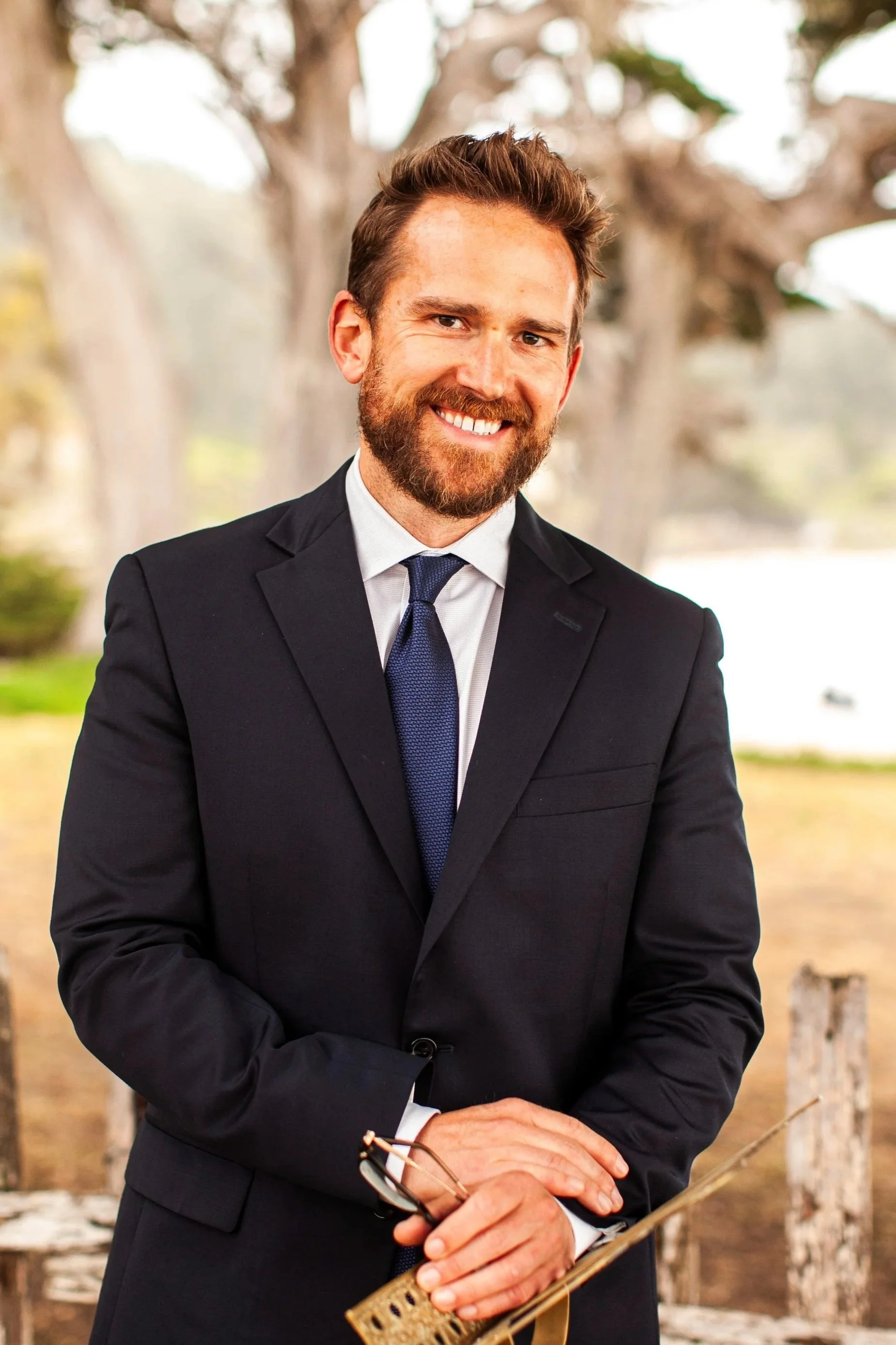
Nathan Lutz
Executive Director, Carmel Bach FestivalBorn in Ann Arbor, MI, Nathan Lutz joined the Carmel Bach Festival as Executive Director in the spring of 2024. Before joining the festival, Lutz was the Vice President of Orchestra Operations and Education at the Dallas Symphony Orchestra, where he worked for seven years. He also held administrative positions with the Utah Symphony and Cincinnati Symphony. Lutz performed with the New World Symphony as a double bass fellow for two seasons and was a substitute musician for the Cincinnati Symphony Orchestra, Buffalo Philharmonic, and Alabama Symphony Orchestra.
She previously served on the staff of Opera Omaha for ten years, including five years as Director of Artistic Administration, and has held production and administrative positions at Houston Grand Opera and Chautauqua Opera. As an independent arts administrator, Shannon successfully coordinated projects for Omaha Performing Arts, the Omaha Symphony, and KANEKO. She holds degrees in music performance from California State University, Northridge, and the University of Houston, and has completed professional development courses with National Arts Strategies, The Fund Raising School through the University of Indiana Center on Philanthropy, and the TEAM Executive Leadership Program.