HEAR FROM YOUR PEER
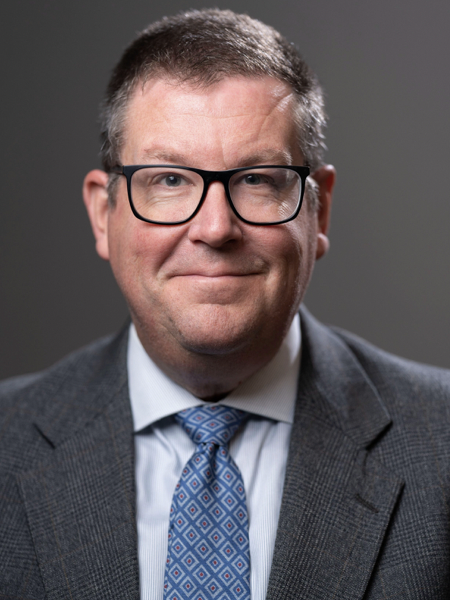
With Jeremy Hatch
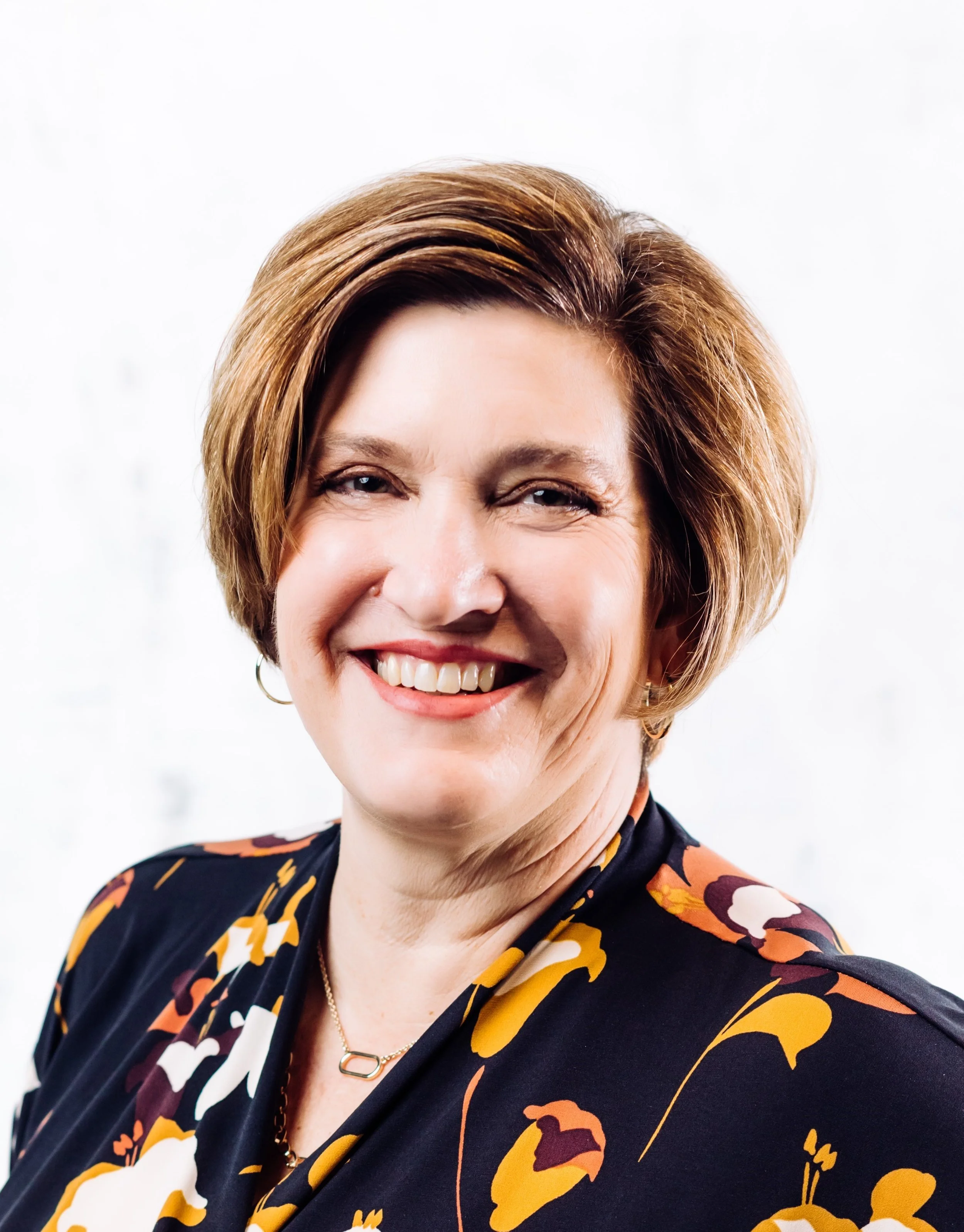
Featuring Special Guest — Shannon Walenta
Chief Operating Officer, Opera Omaha

Some organizations treat community engagement as something adjacent to the real work.
In Jeremy Hatch’s recent conversation with Shannon Walenta, COO of Opera Omaha, a different picture emerged: community engagement not as an add-on, but as part of how an organization understands its role, builds trust, and strengthens its Case for Support.
A few takeaways stood out:
Real engagement takes a strong foundation.
Trust is built before the Ask.
The strongest organizations are often the ones whose mission, operations, and fundraising all point in the same direction.
Read more below or click the button to listen.
SERVING MORE PEOPLE, EARNING MORE TRUST
By Jeremy Hatch
Over the course of 5 years, I partnered with Opera Omaha as they set out to bolster their efforts to serve their community. In a recent conversation with Opera Omaha COO Shannon Walenta, one idea came through clearly: when an arts organization is deeply rooted in its community, it builds a stronger foundation for philanthropy.
Some art forms carry stigma, warranted or not.
In my conversation with Shannon Walenta, Chief Operating Officer of Opera Omaha, I mentioned one of the assumptions that still trails opera in particular: it is not especially nimble and is not always seen as deeply community-minded. That perception is familiar in our field, and in some cases, a perception with merit. In many organizations, community engagement still sits off to the side, treated as a worthwhile addition rather than part of the core work.
What struck me while speaking with Shannon was that Opera Omaha has figured out how to defy these assumptions through authentic community engagement. They've made community engagement central to why and how they function, including programming and fundraising decisions.
One of the clearest takeaways from our conversation was this: community relevance is not separate from philanthropy. It is the engine that drives philanthropy.
Outreach with Intention
Shannon traced Opera Omaha’s evolution with refreshing clarity. Like many arts organizations, the company had long invested in arts education through school tours and performances in community settings. But over time, those models became harder to sustain and, in some cases, harder for schools themselves to accommodate. So the organization adapted.
What replaced that model was not a lighter version of the same work. It was a deeper commitment.
Shannon pointed to the Holland Community Opera Fellowship, launched in 2017, as a flagship example. The program brings on full-time teaching artists each season, gives them serious preparation, including trauma-informed training and work with vulnerable populations, and places them with community partners to co-design programming around real needs.
That distinction matters.
As Shannon put it, this is more than than a matter of bringing a performance into a different neighborhood and calling it engagement. It takes infrastructure, investment, and long-term commitment. “This isn’t just, let’s go do a show in another part of town.”
That gets at something many arts organizations wrestle with. Community-centered work is easy to claim and much harder to build. To be credible, it has to be staffed properly, designed in partnership, and sustained over time.
A Broader Case for Support
I asked Shannon how this community focus has shaped Opera Omaha’s fundraising.
In response, she drew a direct line between Opera Omaha’s reliance on philanthropy and its obligation to think broadly about whom it serves. The company’s large-scale productions are heavily donor-supported, she explained, with roughly 90% of those costs covered through contributed support. That reality has shaped how Opera Omaha understands its role in the community.
Her point was not that mainstage opera needs to be justified by community outreach. It was that when an institution depends so deeply on philanthropic support, it has a responsibility to create value that extends beyond the performance hall. “In order to be deserving of that level of support,” she said, “we need to be serving as many people in the community as we possibly can.”
That idea feels especially useful right now.
For arts leaders, Development staff, and Board members, fundraising can easily become a conversation about tactics: tell a stronger story, sharpen the Case for Support, improve the Ask. Those things matter. But underneath all of them is a more fundamental question: why should this organization command philanthropic trust?
What I heard Shannon describing went beyond artistic excellence as the Case for Support. It was a broader understanding of institutional value. Opera Omaha is making the case that the institution itself is widening who it serves, deepening how it serves, and making its value visible beyond the stage.
That does not replace the traditional Case for Support. It strengthens it.
Service, Then Story
There is a practical lesson here for organizations under pressure to grow contributed revenue.
Sometimes the instinct is to start with messaging: tighten the appeal, refresh campaign language, add urgency, find the emotional hook. But those efforts can only go so far if the underlying story is thin.
What Shannon described is a different order of operations. Build work that is real. Build partnerships that matter. Build a stronger relationship between mission and community. Then fundraising becomes less about persuasion and more about helping donors see what is already true.
The Harder Truth Underneath It
There was also a useful caution running through our conversation. Many organizations want the visible benefits of community relevance. Fewer are prepared for the structure it requires.
Shannon did not romanticize this work. She made it clear that meaningful engagement takes staffing, training, partner relationships, and time. It also takes clarity about why the organization is doing it in the first place. She spoke about work with young people in the juvenile justice system, adults experiencing homelessness, adults with disabilities, immigrant and refugee communities, and seniors in residential facilities. She was equally clear that the need exceeds what Opera Omaha can meet.
That honesty matters. This is not branding. It is commitment, bounded by capacity.
Why Invest In Community Engagement Now?
For many arts organizations, this is a moment of real strain. Leaders are navigating amplified financial pressure, staff fatigue, audience questions, and donor uncertainty all at once. In that environment, it can be tempting to separate community engagement from advancement, or to treat it as work you return to when conditions improve.
When we look at Opera Omaha, the idea of slowing down, even when it's tempting to be quick and reactive, can have long-term rewards. Organizations that earn trust over time, prove their relevance, and earn the buy-in of community partners may find those relationships foster stability in uncertain times.
That may be especially useful for Boards to hear. Philanthropic support is more than a response to need. It is also a response to confidence. Donors and funders want to know that an organization understands its role, knows who it serves, and has the discipline to align resources with purpose.
Opera Omaha’s example suggests that when community engagement is woven into the institution, fundraising has firmer ground to stand on.
So what can you take away and consider when it comes to your organization?
Real engagement takes a strong foundation. Outreach is the tip of the iceberg. Underneath, it takes investment, partnership, and long-term commitment.
A strong Case for Support starts before the Ask. Opera Omaha’s example suggests that when an organization serves more people in meaningful ways, it builds a stronger foundation for philanthropy.
Trust grows when the pieces line up. Mission, operations, and fundraising are strongest when they point in the same direction.
If these are questions your organization is actively working through, we’d love to hear from you. Reach out to CEO Catherine Heitz New anytime. She would welcome the chance to connect.
Listen to my full conversation with Shannon Walenta on Spotify.
Jeremy Hatch
Principal Consultant, RSC AssociatesJeremy Hatch brings 25 years of successful experience in goal-oriented fundraising and arts management to the RSC team. He has provided ongoing strategic counsel to more than 50 RSC clients, including leading RSC engagements with the Detroit, Cincinnati, Minnesota, and St. Louis orchestras, as well as Opera Omaha, The Cleveland Pops, Breckenridge Create and the New Harmony Project.
Shannon Walenta
Chief Operating Officer, Opera OmahaShannon Walenta returned to the Opera Omaha staff in August 2016 as Managing Director, following eight years as the Managing Director of the Blue Barn Theatre. In July 2024, she became Chief Operating Officer, in recognition of her work across all areas of the company. With over two decades of arts leadership experience, her areas of expertise include long range and strategic planning, organizational structure, process development, capital campaign development, grant writing, company culture, and financial management.
She previously served on the staff of Opera Omaha for ten years, including five years as Director of Artistic Administration, and has held production and administrative positions at Houston Grand Opera and Chautauqua Opera. As an independent arts administrator, Shannon successfully coordinated projects for Omaha Performing Arts, the Omaha Symphony, and KANEKO. She holds degrees in music performance from California State University, Northridge, and the University of Houston, and has completed professional development courses with National Arts Strategies, The Fund Raising School through the University of Indiana Center on Philanthropy, and the TEAM Executive Leadership Program.